Private cars
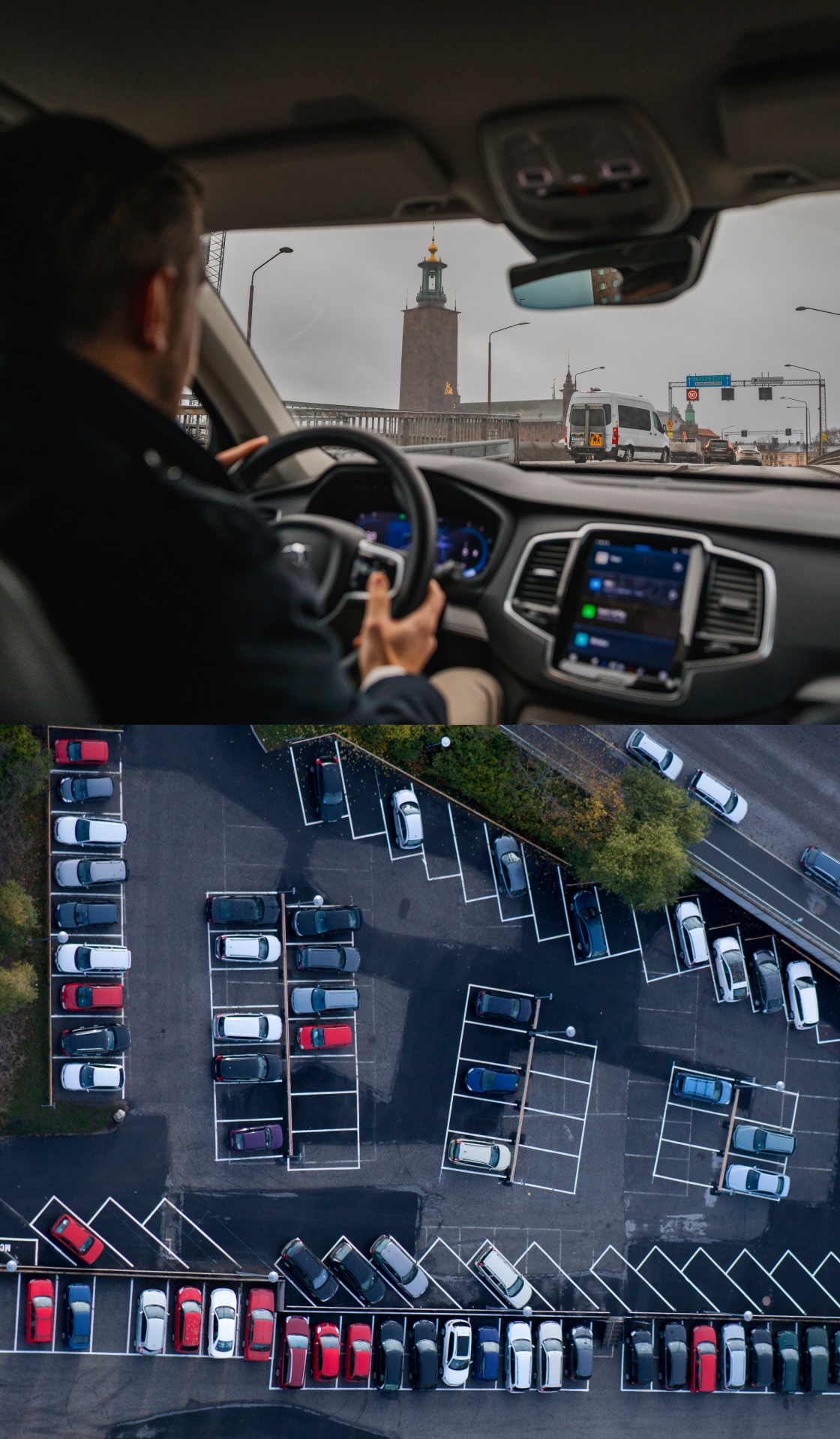
After the Second World War, cars became an important symbol of modern Sweden – everyone could move around freely and go where they liked with the help of their car. New pleasures such as driving holidays and car picnics became popular. As a result, for a few decades in the mid-20th century the city was adapted to accommodate cars, while other transport modes had to take a back seat. Major traffic solutions were built and even more were planned, but in the mid-1970s this inner-city development stalled. In recent decades, the city has been redesigned to prioritise people over vehicles – with better opportunities for walking, cycling, travelling by public transport and access to green space.
The role of cars going forward
Many of the car journeys that are currently made could be made on public transport or by bicycle. Car clubs, hire cars or taxis are viable alternatives for essential car journeys. When more people travel by other means of transport than cars, the streets can be used for much more than just parking and motor vehicle traffic. It also creates more space for traffic that needs easy access – such as freight deliveries, mobility services and emergency services.


Parking on city streets
Every car journey begins and ends in a parking space. Whether for a quick stop or a longer period of time, access to parking is an essential element of a car journey. Parking availability has a major influence on people's choices – if parking is easy and cheap, they are more likely to choose their car.
In order to meet the City's climate and environmental goals, the proportion of electric vehicles needs to increase, which is why more charging points are being installed in the city, including along kerbsides. On the other hand, car traffic also needs to be reduced, as this improves traffic flow and creates more attractive, road-safe environments with better air quality. For this reason, the aim is to reduce the level of on-street parking for private cars.